


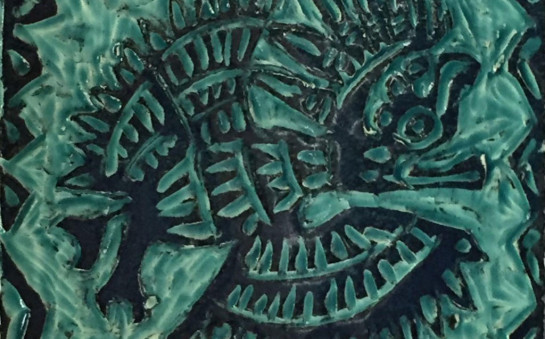
Enhancing Clay Surfaces with Sgraffito, Mishima and Color
Learn about Mishima and Sgraffito decorating techniques. Create designs on leather-hard clay, bisque fire, and glaze with an AMACO LG Series low-fire transparent color glaze.
Learn More
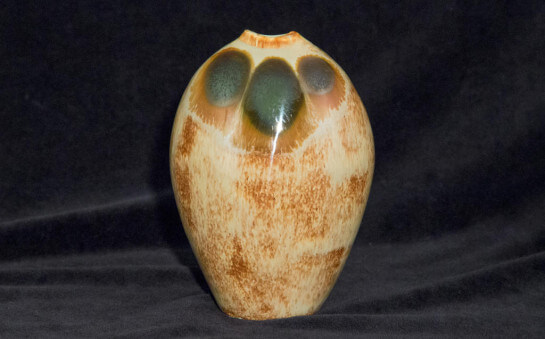
Peacock Feather Effect with layering PC glazes
Certain glazes in combination will flux strongly and flow. Layering these active fluxing glazes with dots or stripes can make the flow a decorative element.
Learn More
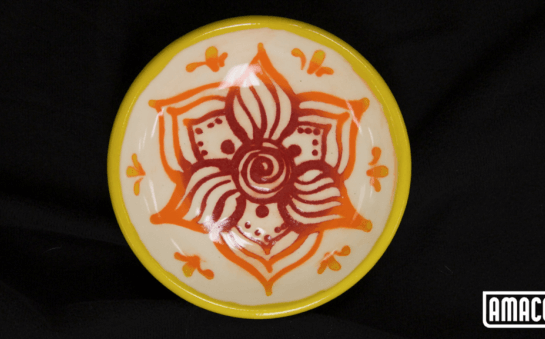
Water Etching with Velvet Underglaze
Water Etching is a great way to give subtle texture to your ceramic work, but by using water etching and Velvet Underglazes together you can take your decoration to a new level!
Learn More
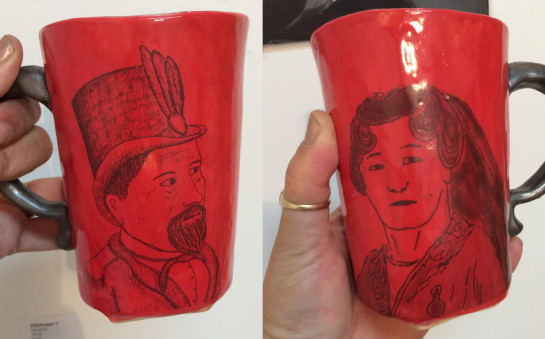
How to add photos or drawings to glazed ware using decals
Want to add drawings, logos or photos to your ceramics? Here's an easy technique that looks great!
Learn More
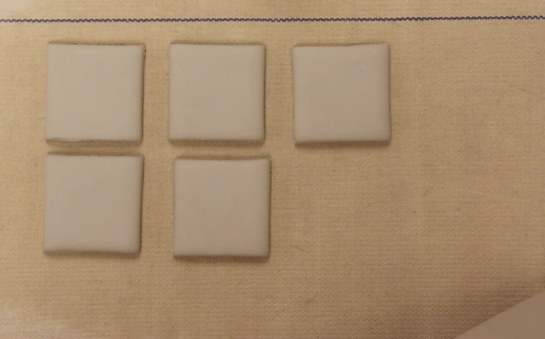
Fast Easy Tiles
Cookie cutters are a great way to make uniform tiles. Check out below how to make cookie cutter tiles that require almost no refining!
Learn More
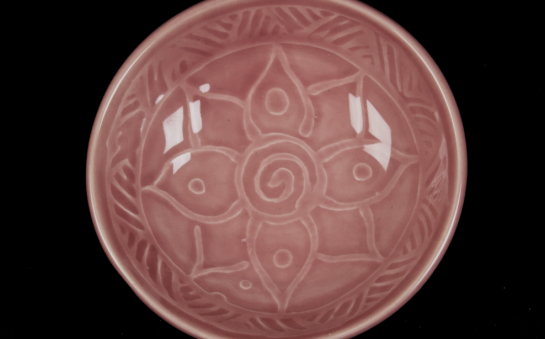
Water Etching 1
Water etching is a way to get subtle texture on ceramics. Find out how to use shellac or another resist material to add texture to bone dry ceramic ware.
Learn More
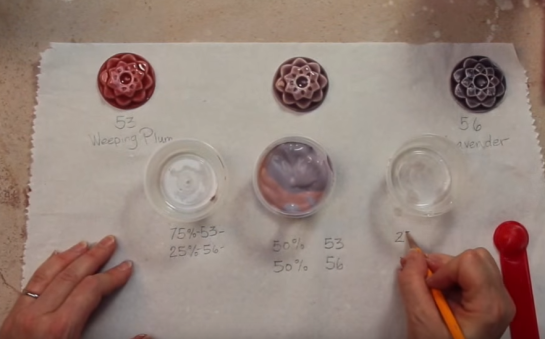
Volumetrically Mixing Glaze
Using the mixable midrange AMACO celadons, this video demonstrates a simple method of creating new colors of glaze in an organized, measured method.
Learn More
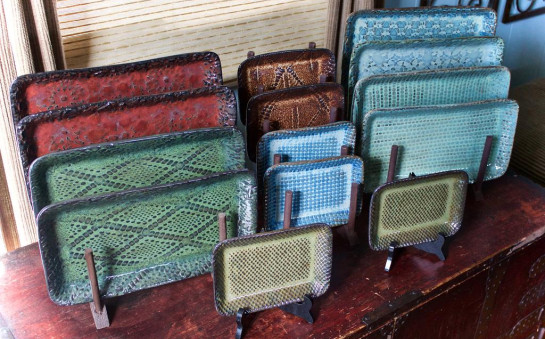
Easy-to-make Appetizer Platters Using Recycled Materials
This FUN and EASY hand-building project is great for all ages and experience levels. Using Amaco Glazes along with assorted 'found objects' that would otherwise be slated for landfills, this simple, inexpensive project is a quick, creative way to make beautiful and functional serving ware.
Learn More
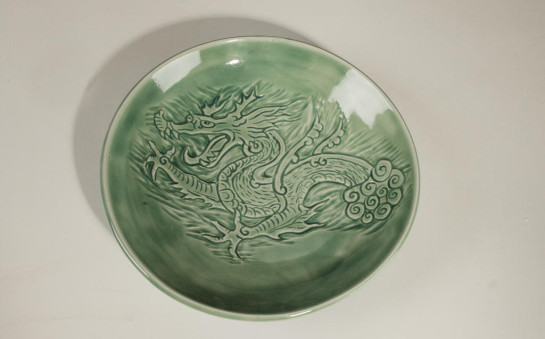
Carving Texture and Imagery onto Clay
Translucent glazes that break across the surface of your ceramic form look great on texture. One way to create a textured surface is by carving.
Learn More
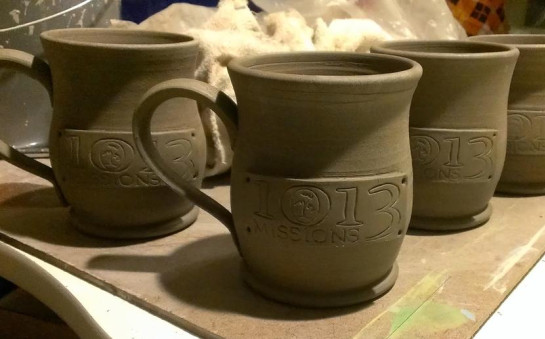
How to make a handmade logo stamp for your clay projects
This How-To explains how to make your own logo stamp.
Learn More
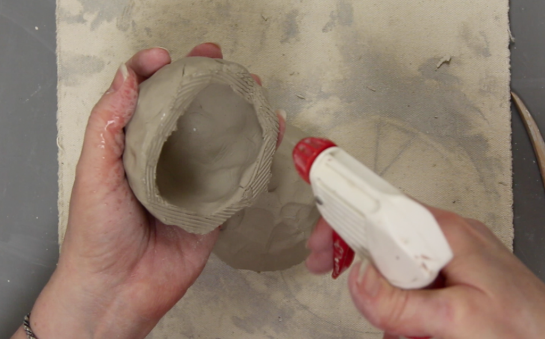
Don't Slip! Joining Clay Without Slip
When joining two pieces of clay, you should always slip and score. You hear that all the time, but there is a trick that is shorter, easier and works even better than mixing clay with enough water to make a slip.
Learn More
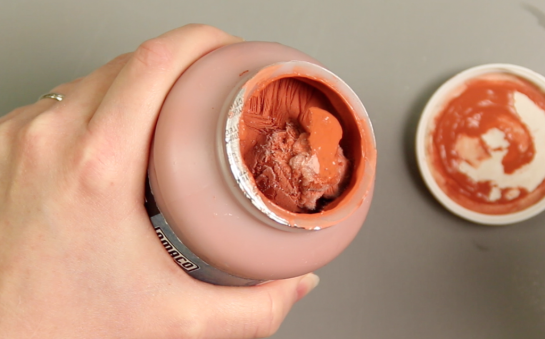
Frozen Clay and Glazes
For artists in colder climates, the danger of freezing is real. What happens and how to bring your clay and glazes back from being frozen.
Learn More
We're here to help
Please give us a shout if you have any questions, feedback, or comments.
